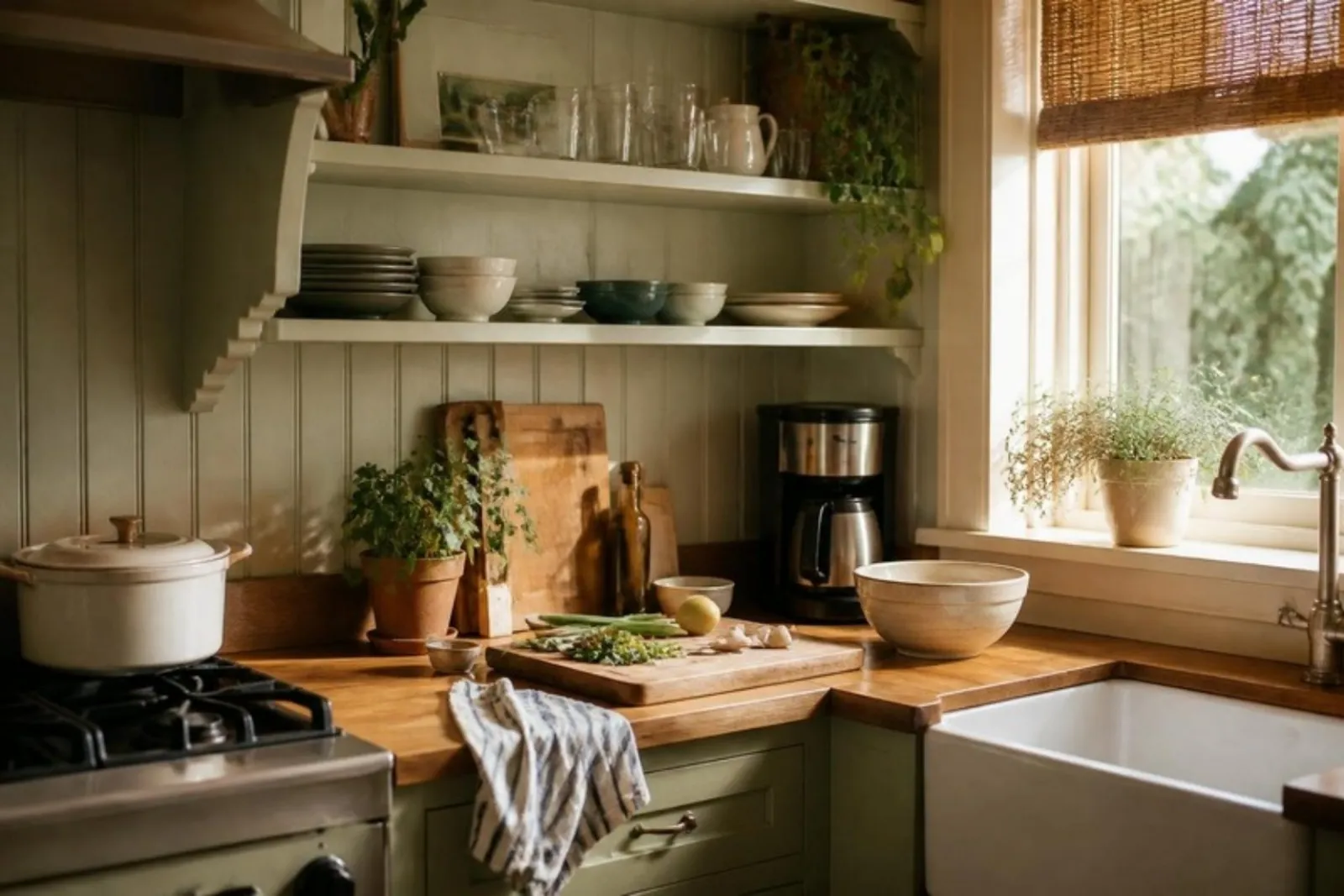
Start with a purpose, not a product
Describe the small problem you want to solve before searching for a solution. A cup that is awkward to hold, a shelf that collects loose items, or a room without a comfortable place to pause can each suggest a useful purchase. But rearranging what you already own may solve the same problem without adding anything.
Write down the task in one sentence. Then identify what would make a difference: a particular size, a material that suits your care routine, or a shape that works in the available space. These details are more useful than a broad label such as “must-have.” They also give you a reason to pass on an attractive object that does not fit your needs.
Measure the space and the routine
Check more than the largest dimension. For furniture, consider access through doorways and enough clearance for the way a room is used. For smaller items, check the cupboard, shelf, or work surface where they will live. An object can fit in a photograph and still create an awkward extra step every time you reach for it.
Think about cleaning and storage too. Does a finish require care you are willing to provide? Will a vessel be used for water, dry stems, or simply as decoration? Is a cup intended for hot drinks, and what does the actual listing say about materials and care? Check the manufacturer or retailer information before purchase.
| Type of find | What to verify | When to pause |
|---|---|---|
| A ceramic vessel | Dimensions, intended use, finish and watertightness if relevant | If the care or use guidance is unclear |
| An everyday cup | Capacity, handle comfort, materials and care instructions | If it does not suit your actual drinks routine |
| A storage console | Available space, access, assembly and safe placement | If it blocks circulation or needs unverified wall fittings |
Three finds worth making room for
A CONSIDERED DISCOVERY
Editor's picks
 Editorial selection
Vintage Green Ceramic Flower Vase
A small round ceramic vase, 5.9 inches tall, with a soft ivory finish and a green botanical pattern. Sized for a few garden stems.
View retailer via Geniuslink ↗Read the discovery notes →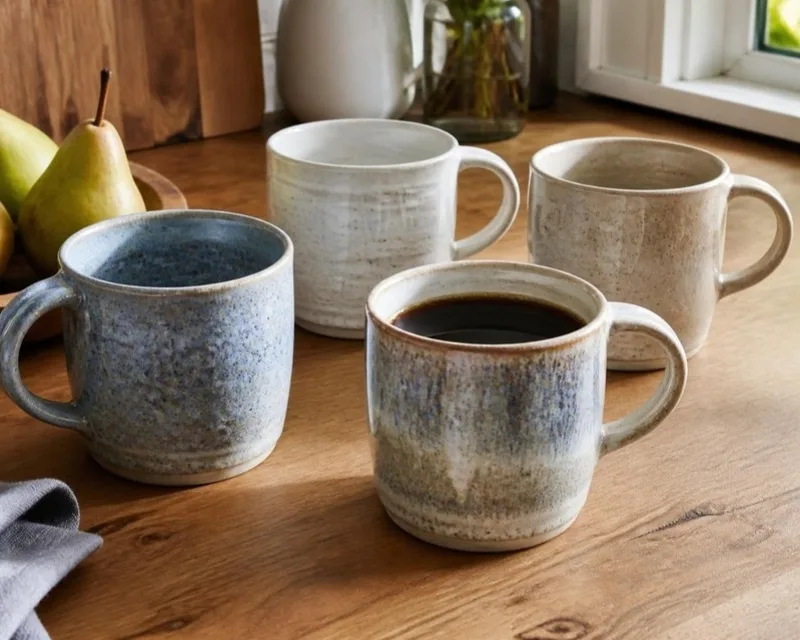 Editorial selection
Sango Stoneware Coffee Mugs, Set of 4
Four 17.5 oz stoneware mugs with a speckled reactive glaze, so no two look exactly alike. Dishwasher and microwave safe.
View retailer via Geniuslink ↗Read the discovery notes →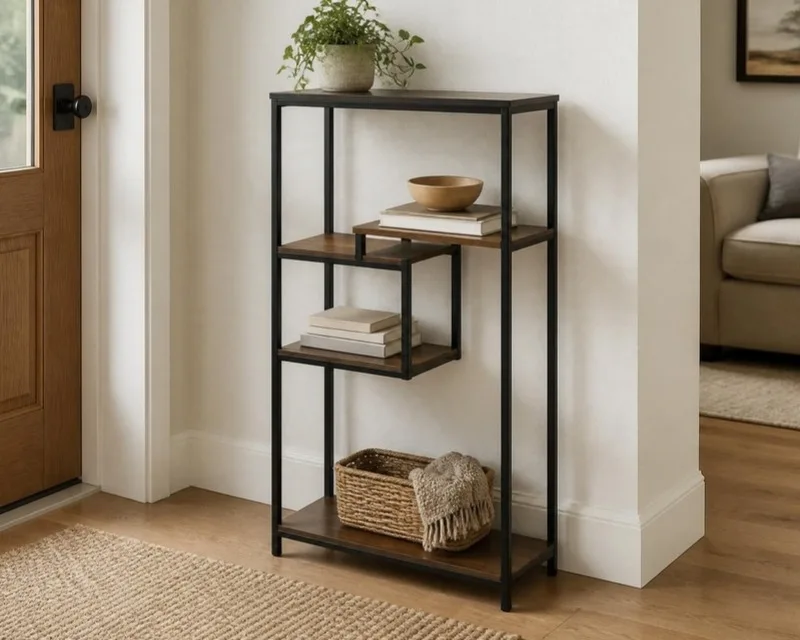 Editorial selection
Tribesigns 39.4" 4-Tier Console Table
A narrow console table with four staggered tiers and a metal frame. Gives a hallway or the space behind a sofa room for display and storage.
View retailer via Geniuslink ↗Read the discovery notes →Look beyond the first impression
Product photography can help you understand a shape or style, but it is not enough to establish durability, comfort, or suitability. Read the relevant specifications and care instructions. Confirm dimensions against your own measurements, and check the retailer’s current returns policy and delivery arrangements. Availability can change, so treat an old editorial mention as a starting point rather than confirmation.
A higher price is not proof of better fit. Equally, a lower price does not explain the whole cost of owning something. Consider any assembly needs, accessories, replacement parts, or special cleaning requirements that are stated by the manufacturer. If information is missing, keep looking or ask the authorized seller rather than making an assumption.
A short checklist before you follow a buying link
Choose with a little more clarity
- I can describe how this item will be used.
- I have measured the space and checked access where necessary.
- I understand the actual materials, specifications, and care guidance.
- I have checked current delivery and returns information with the retailer.
- The buying destination is real, relevant, and clearly disclosed.
- I can comfortably decide not to buy.
How our links work
Our guides may link to our Amazon storefront, to individual products through Geniuslink, or to other articles on this site. Commercial links are always disclosed. A link is an invitation to check current details with the retailer.
Products and prices change. We review our picks from time to time and replace anything that is no longer a good fit. The useful part of a guide should remain useful even when a link changes or a particular item is no longer available.
Make the most of what you already have with our home-layering ideas. ↗
Explore our Amazon storefront
Visit our configured storefrontFiled under Shopping Guides · Home & Décor · Kitchen & Dining
Updated