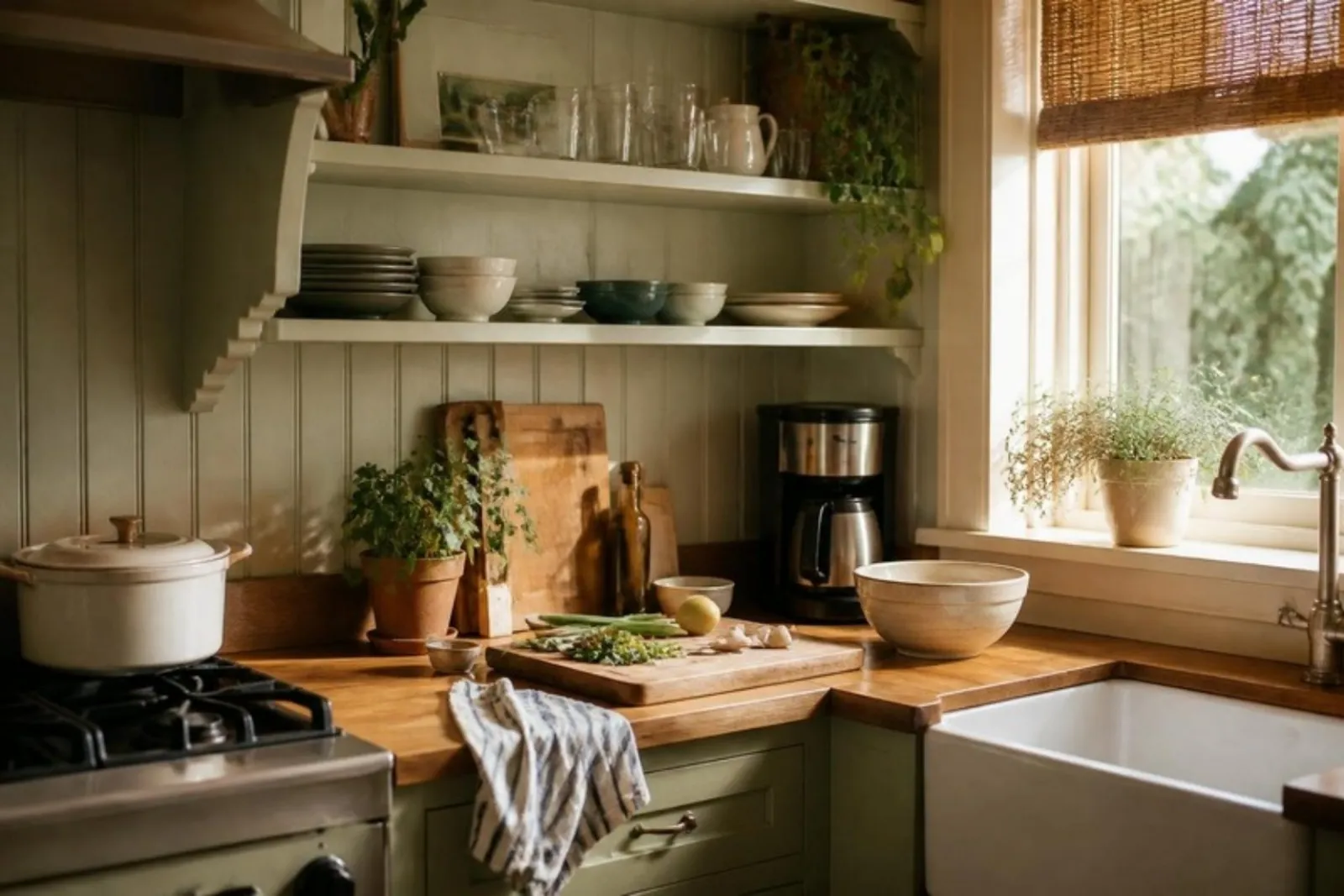
Some of the most welcoming kitchens are ordinary rooms that have been thoughtfully arranged over time. The cupboards may be old, the countertops may be modest, and the appliances may have seen years of service. Yet everything has a place, meals are easier to prepare, and the room feels pleasant to spend time in.
The secret isn't necessarily more storage. Often, it's making better use of the space you already have.
Before considering new cabinets, expensive organizers, or a major renovation, try these ten practical changes.
1. Organize around the way you actually cook
Many kitchens are arranged according to where things happened to fit when they were first unpacked.
A better approach is to think about the tasks you perform every day.
Keep cutting boards and knives near your food-preparation area. Store pots and cooking utensils close to the stove. Place everyday plates and glasses where they're easy to reach from the dishwasher or drying rack.
You don't need a perfectly designed kitchen triangle. You need a sensible arrangement that reduces unnecessary movement.
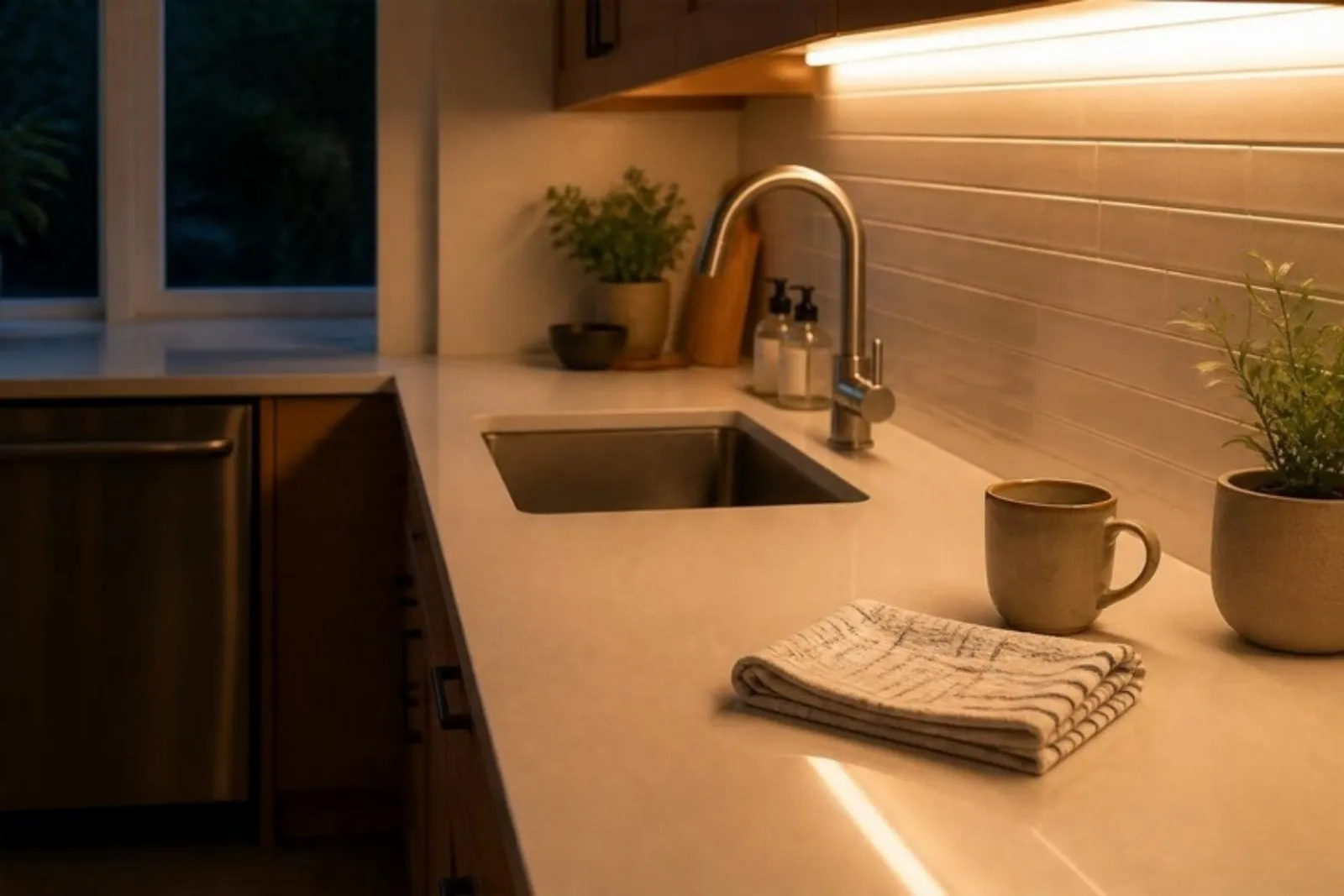
2. Give your countertops some breathing room
Countertops gradually become storage spaces for mail, small appliances, shopping bags, and things that haven't found a permanent home.
The result is less room for preparing food.
Begin by removing everything from one section of countertop. Return only what you use regularly or what genuinely belongs there.
A coffee maker used every morning may deserve its space. A specialty appliance used twice a year probably doesn't.
Leave at least one clear preparation area large enough for a cutting board, ingredients, and a mixing bowl.
An uncluttered counter makes the kitchen easier to clean, too.
3. Make better use of deep cupboards
Deep cupboards can hold plenty of things while making half of them difficult to reach.
Instead of stacking everything directly on the shelves, group similar items into sturdy bins or baskets that can be pulled forward.
One container might hold baking decorations. Another could hold packaged snacks or spare kitchen linens.
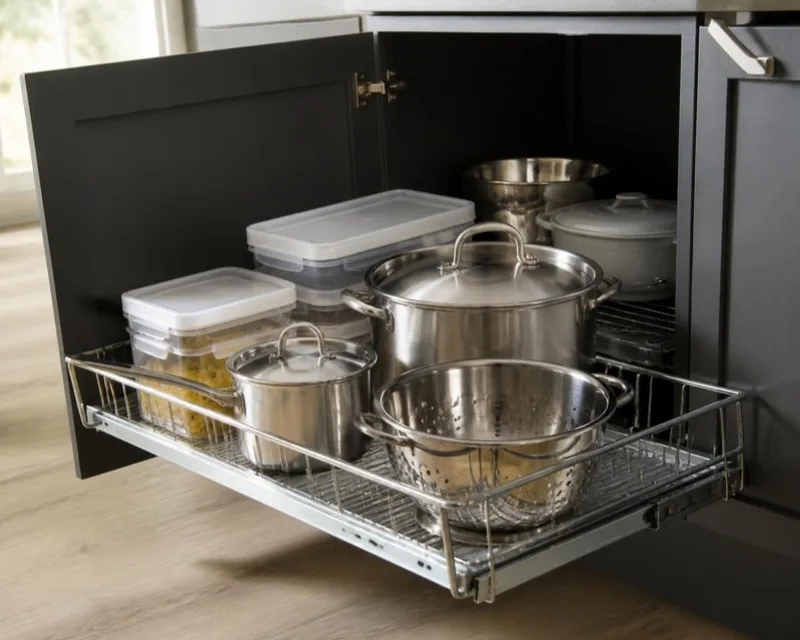
For lower cupboards, a well-fitted pull-out organizer can be useful, particularly for frequently used items.
But measure first. Organizers that look spacious online may waste room if they don't fit your cabinet dimensions.
4. Stop stacking everything on top of everything else
Stacking is convenient until the item you need is at the bottom.
Baking sheets, cutting boards, serving trays, and muffin tins are often easier to store vertically.
A simple divider or upright rack can turn a frustrating cupboard into a much more practical space.
The same principle applies to dishes. A shelf riser may allow smaller plates or bowls to occupy their own level rather than requiring one tall, unstable stack.
You may discover that your cupboards already have enough room. The problem was how the space was being used.
5. Create a small, practical baking station
If you enjoy baking, gathering your supplies into one area can save considerable time.
Keep measuring cups, mixing bowls, spatulas, and commonly used ingredients within reasonable reach of the counter where you work.
Flour and sugar should be stored in suitable food-safe containers that close securely. If you transfer ingredients from their original packaging, retain important information such as the best-before date and any preparation instructions.
A wooden rolling pin, a reliable set of measuring spoons, and a few good mixing bowls can serve a home baker for years.
You don't need an entire collection of matching accessories. A handful of dependable tools is usually more valuable.
6. Put your most frequently used items within easy reach
The most accessible shelves and drawers should be reserved for things you use most often.
Everyday dishes, cooking utensils, and frequently used ingredients belong where they can be reached comfortably.
Items used only for holidays or special occasions can go higher or farther back, provided they can be retrieved safely.
Avoid storing heavy cookware overhead. And if bending or reaching is uncomfortable, arrange the kitchen to reduce those movements wherever possible.
A well-organized kitchen should make everyday work easier on your body, not just look attractive in photographs.
7. Make the pantry easy to understand at a glance
A pantry doesn't need matching glass jars and handwritten labels to be organized.
Start by grouping foods into practical categories: baking ingredients, canned vegetables, soups and stocks, breakfast foods, pasta and grains, and snacks.
Place older products toward the front so they're more likely to be used before newer purchases.
Check expiration and best-before information according to the type of food, and follow appropriate food-storage guidance.
Keep an informal inventory of staples you use regularly. This can be as simple as a notepad inside a cupboard door.
The goal is to know what you have before buying more.
8. Use the inside of cabinet doors carefully
Cabinet doors sometimes offer useful storage for lightweight items such as measuring spoons, small cleaning accessories, or a shopping list.
Adhesive hooks or purpose-made door organizers can work well, provided they don't interfere with hinges, shelves, or the cabinet closing properly.
Avoid hanging heavy objects from doors that weren't designed to support them.
Before purchasing an organizer, check the available clearance. A product that fits the door may still collide with items inside the cupboard.
Small improvements work best when they don't create new inconveniences.
9. Make cleaning supplies easy to find
Cleaning is less frustrating when the things you need are easy to reach.
Keep dishcloths, brushes, and routine cleaning supplies together in a designated location.
A washable tray beneath bottles can make minor spills easier to manage.
Store household cleaning chemicals securely, away from food and out of children's reach. Keep products in their original labeled containers, and never mix cleaning chemicals unless the manufacturer explicitly directs you to do so.
If you use reusable cloths, keep clean and used cloths separate.
An organized cleaning area doesn't need to be elaborate. It simply needs to be safe and functional.
10. Change one problem area at a time
It's tempting to empty every cupboard and attempt a complete kitchen transformation in a single afternoon.
That approach often produces exhaustion and a bigger mess than expected.
Instead, identify the area that causes the most daily frustration.
Perhaps it's a drawer that jams because too many utensils are packed inside. Perhaps it's the cupboard where plastic containers tumble out every time the door opens.
Fix that one problem first.
Remove what doesn't belong, group similar items, clean the space, and arrange everything so the things you need are accessible.
Use the improved area for a week before buying additional storage products.
You may find that you need fewer organizers than you originally expected.
What is actually worth buying?
An organized kitchen doesn't require a shopping spree.
Before purchasing anything, ask three questions
- Does this solve a problem I encounter regularly?
- Will it fit the space and the items I need to store?
- Could I achieve the same result by rearranging what I already own?
If a product genuinely improves the kitchen, it may be worth considering.
Useful possibilities include adjustable drawer dividers, vertical baking-sheet organizers, pull-out cabinet shelves, food-safe storage containers, and durable measuring tools.
Choose practical construction, appropriate dimensions, and ease of cleaning over appearance alone.
A CONSIDERED DISCOVERY
Editor's product selection
 Editorial selection
LYNK Professional Pull Out Cabinet Organizer
A slide-out shelf that brings the back of a lower cupboard to you. Measure your cabinet opening before ordering.
View retailer via Geniuslink ↗Read the discovery notes →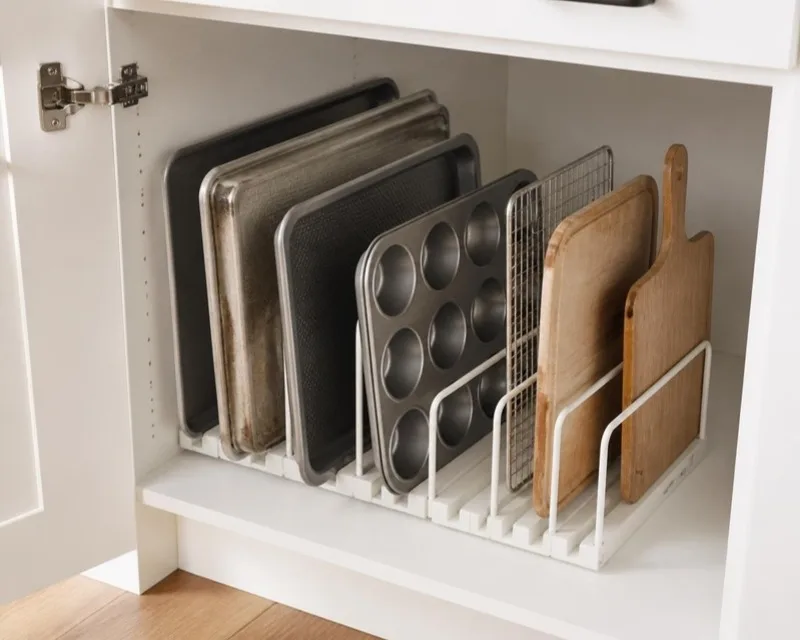 Editorial selection
YouCopia StoreMore Bakeware Rack
Adjustable dividers hold baking sheets, cutting boards and trays upright, so you can pull out the one you need without lifting the whole stack.
View retailer via Geniuslink ↗Read the discovery notes →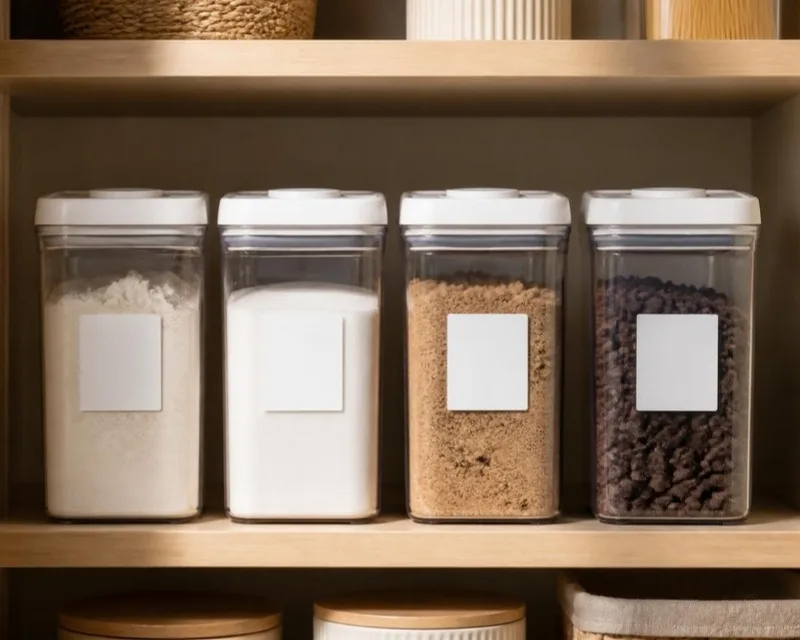 Editorial selection
OXO Good Grips Baking POP Container Set
Airtight, food-safe containers for flour, sugar and other baking staples. They come pre-labelled and stack neatly in a cupboard.
View retailer via Geniuslink ↗Read the discovery notes →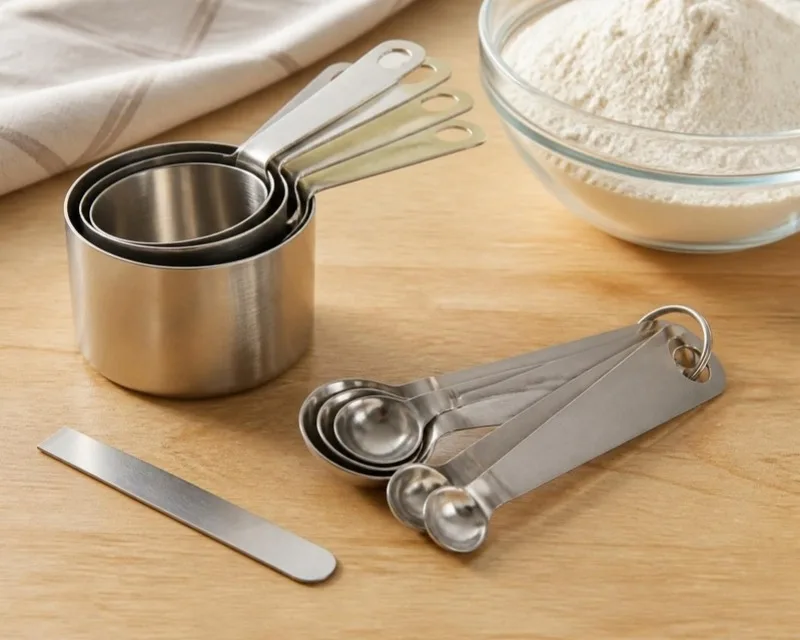 Editorial selection
Spring Chef Measuring Cups and Spoons
A stainless steel set with a leveler. Durable, easy to clean, and the kind of tool a home baker keeps for years.
View retailer via Geniuslink ↗Read the discovery notes →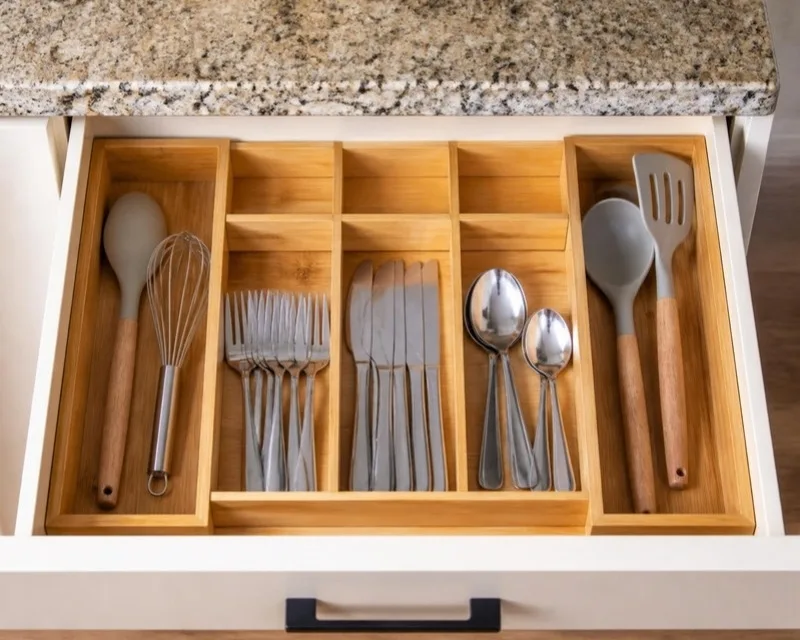 Editorial selection
Pipishell Expandable Bamboo Drawer Organizer
Expands to fit wide drawers and gives utensils their own compartments. It's a simple fix for the drawer that jams.
View retailer via Geniuslink ↗Read the discovery notes →A kitchen that works for your life
The best kitchen isn't necessarily the one with the newest cabinets or the most fashionable accessories.
It's the one where you can find what you need, prepare a meal without unnecessary frustration, and enjoy the room as part of everyday life.
Sometimes the most valuable improvements cost nothing more than an hour spent rearranging a cupboard.
Start small. Solve one problem. Then move on to the next.
Over time, those little improvements can make an ordinary kitchen feel like a much better place to be.
Explore our Amazon storefront
Visit our configured storefrontFiled under Organization · Kitchen & Dining
Updated